Discover how qurut fermented dairy became a compact, long-lasting source of nourishment for nomadic herders and steppe armies during migrations, harsh winters, and distant campaigns.
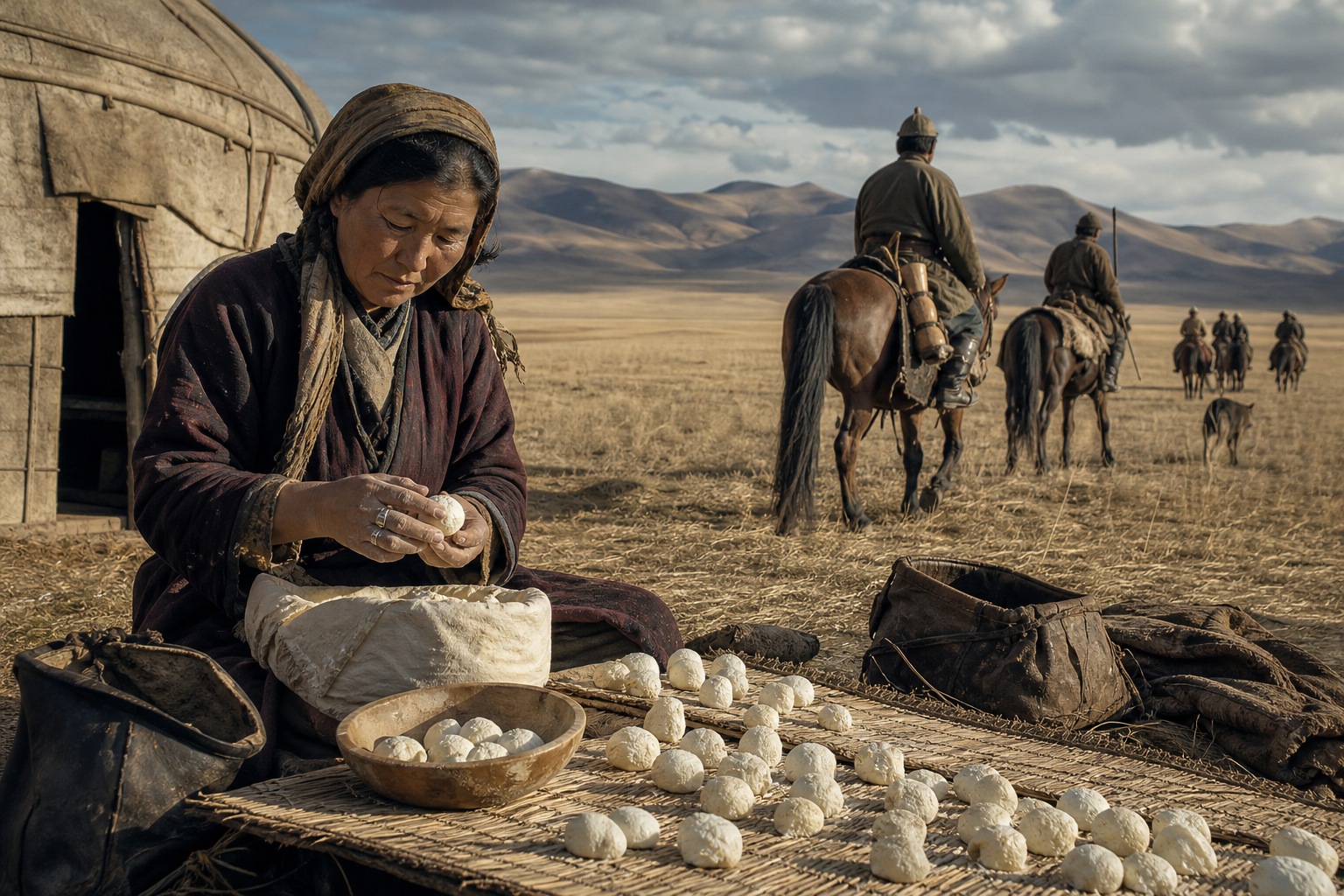

Discover how qurut fermented dairy became a compact, long-lasting source of nourishment for nomadic herders and steppe armies during migrations, harsh winters, and distant campaigns.
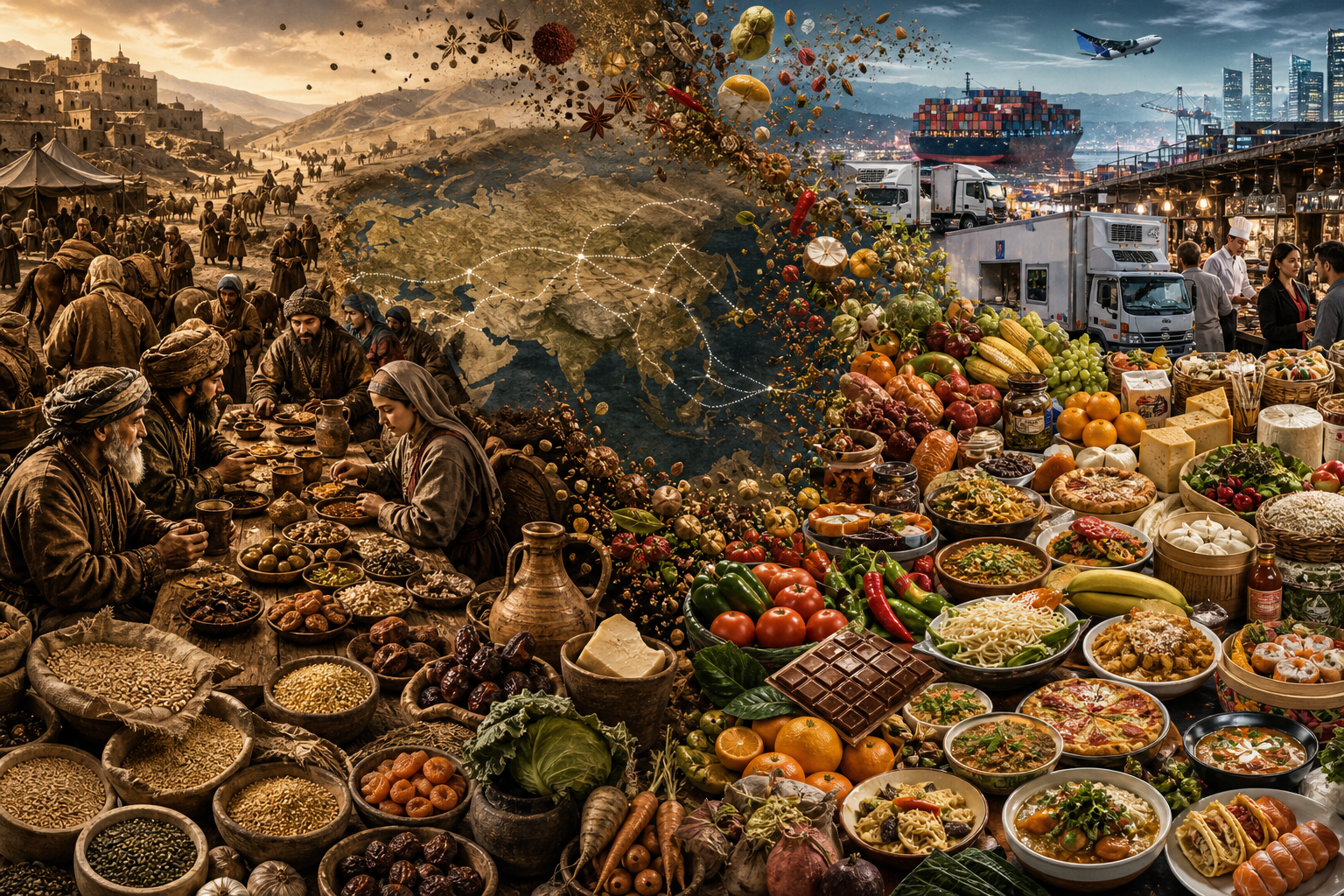
Compare 1026 CE vs. 2026 CE to discover how trade, migration, empire, and technology transformed the Eurasian flavor radar—from regional food traditions to a globally connected culinary world.
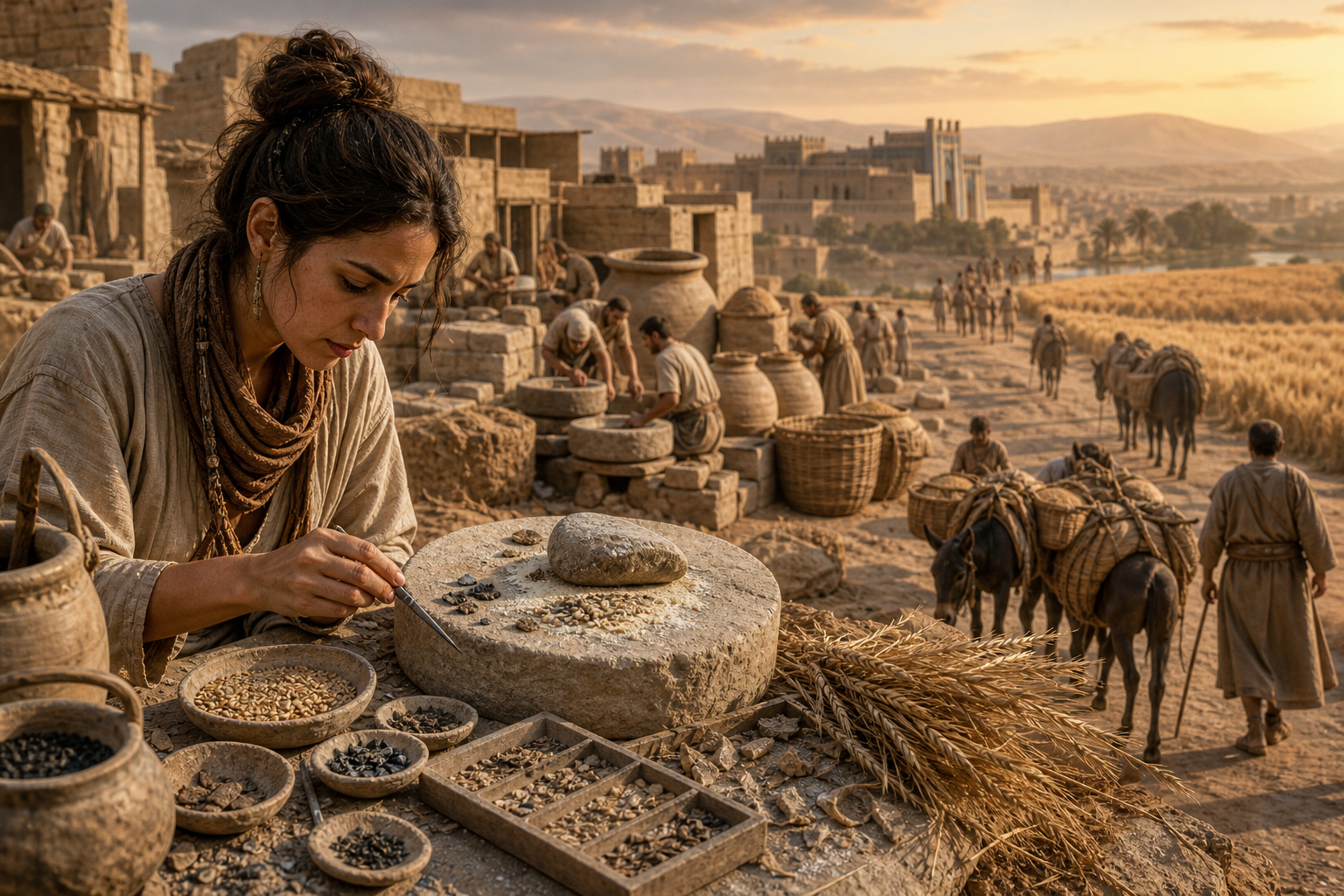
The archaeobotany of wheat reveals how domesticated grains, stone milling, and sophisticated storage systems helped ancient communities feed growing populations and powerful armies. By studying charred seeds, grinding stones, and other plant remains, researchers trace wheat’s journey from Fertile Crescent fields to the foundations of ancient empires.
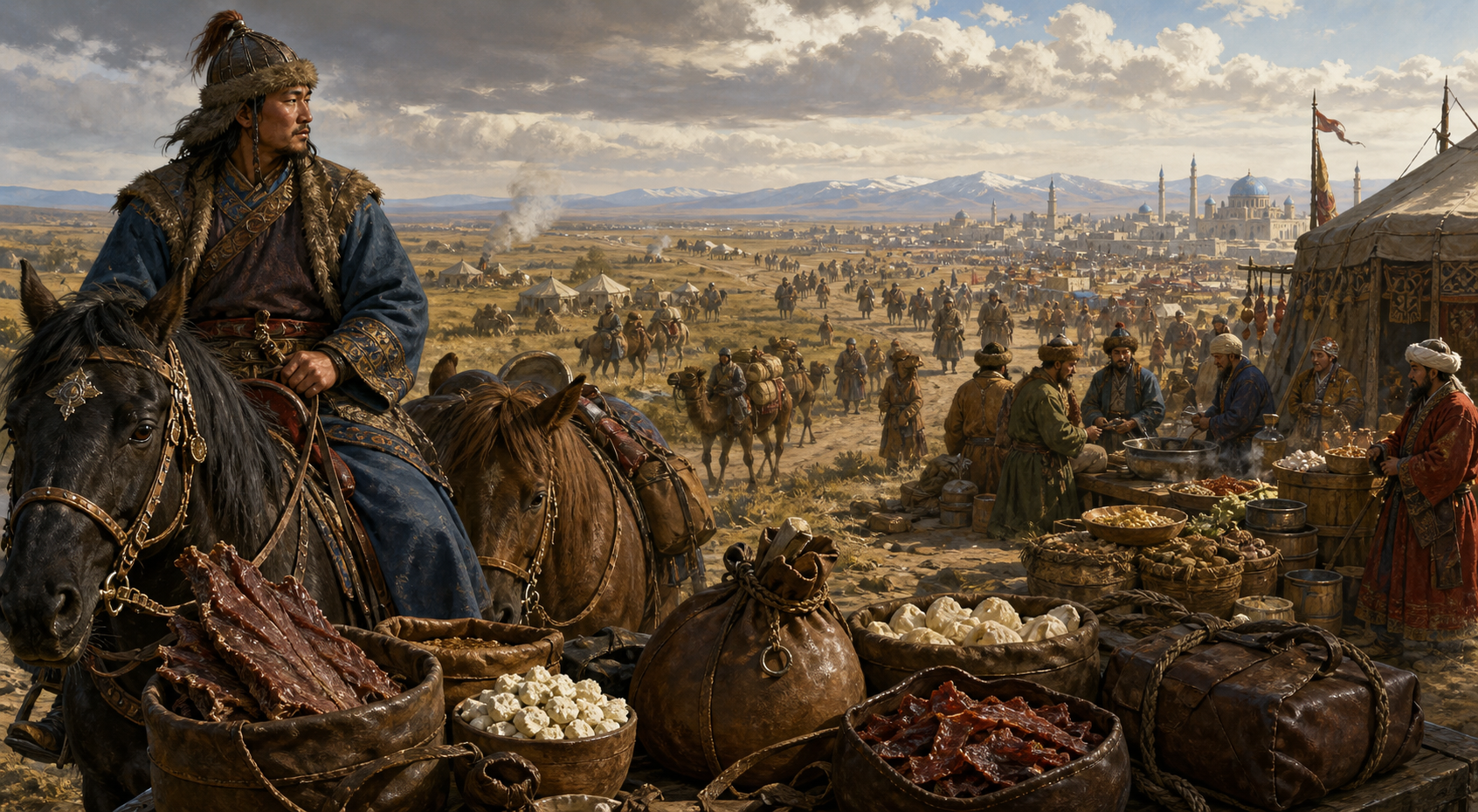
Mongol cavalry rations did more than sustain armies—they carried portable preservation techniques, fermented dairy, and meat-based traditions across Eurasia. Discover how these practical foods blended with local cuisines and helped transform culinary culture from China to Eastern Europe.
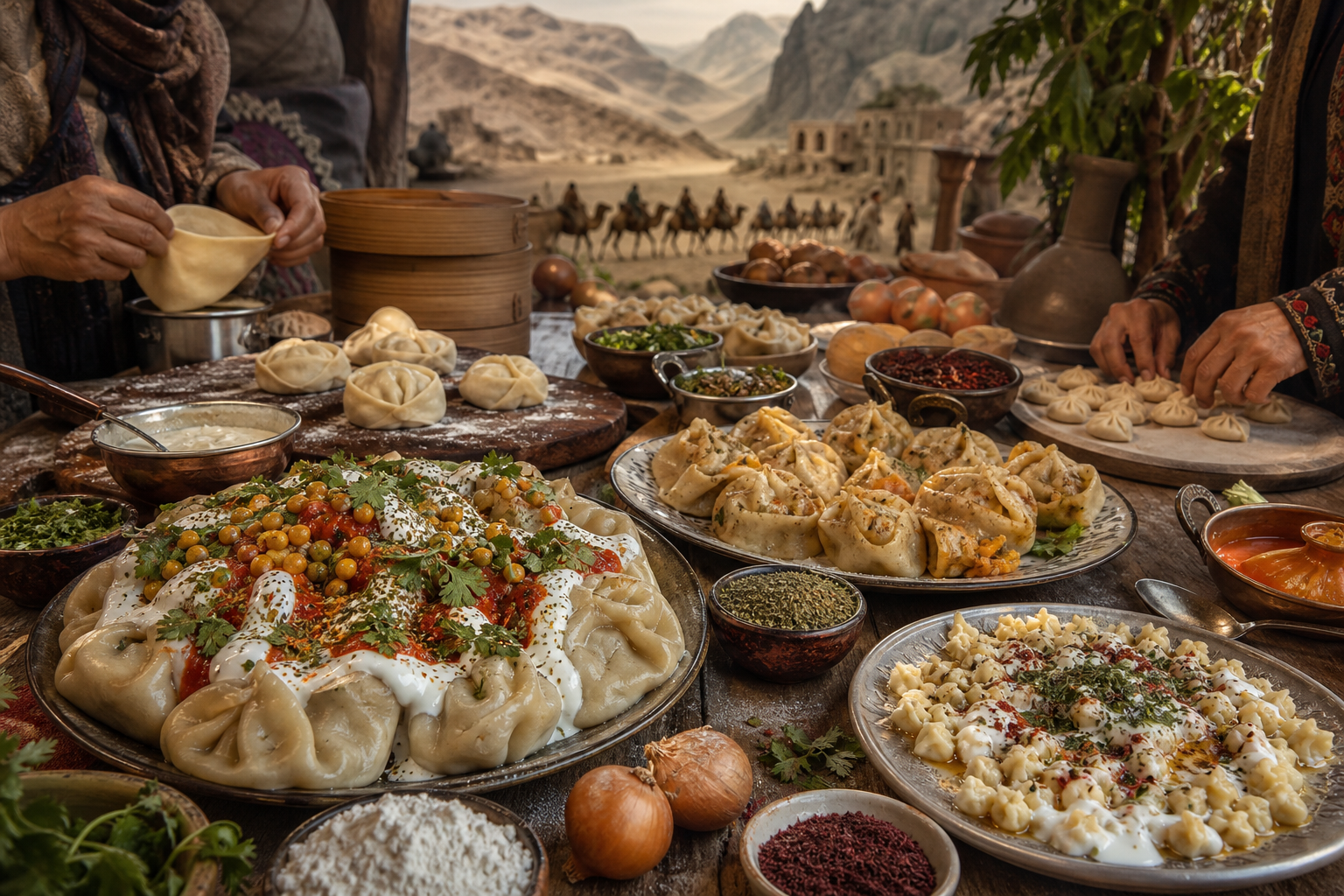
Discover how Silk Road dumplings connect Afghan manto and Turkish mantı across 6,400 kilometers of culinary history. From delicate folds to savory fillings and tangy sauces, each regional variation tells a story of travel, trade, and home.

AI language models could become active partners in shaping how we speak, write, and preserve languages by 2200 CE. As they translate, predict, and generate communication across cultures, they may influence vocabulary, grammar, and the future of linguistic identity.
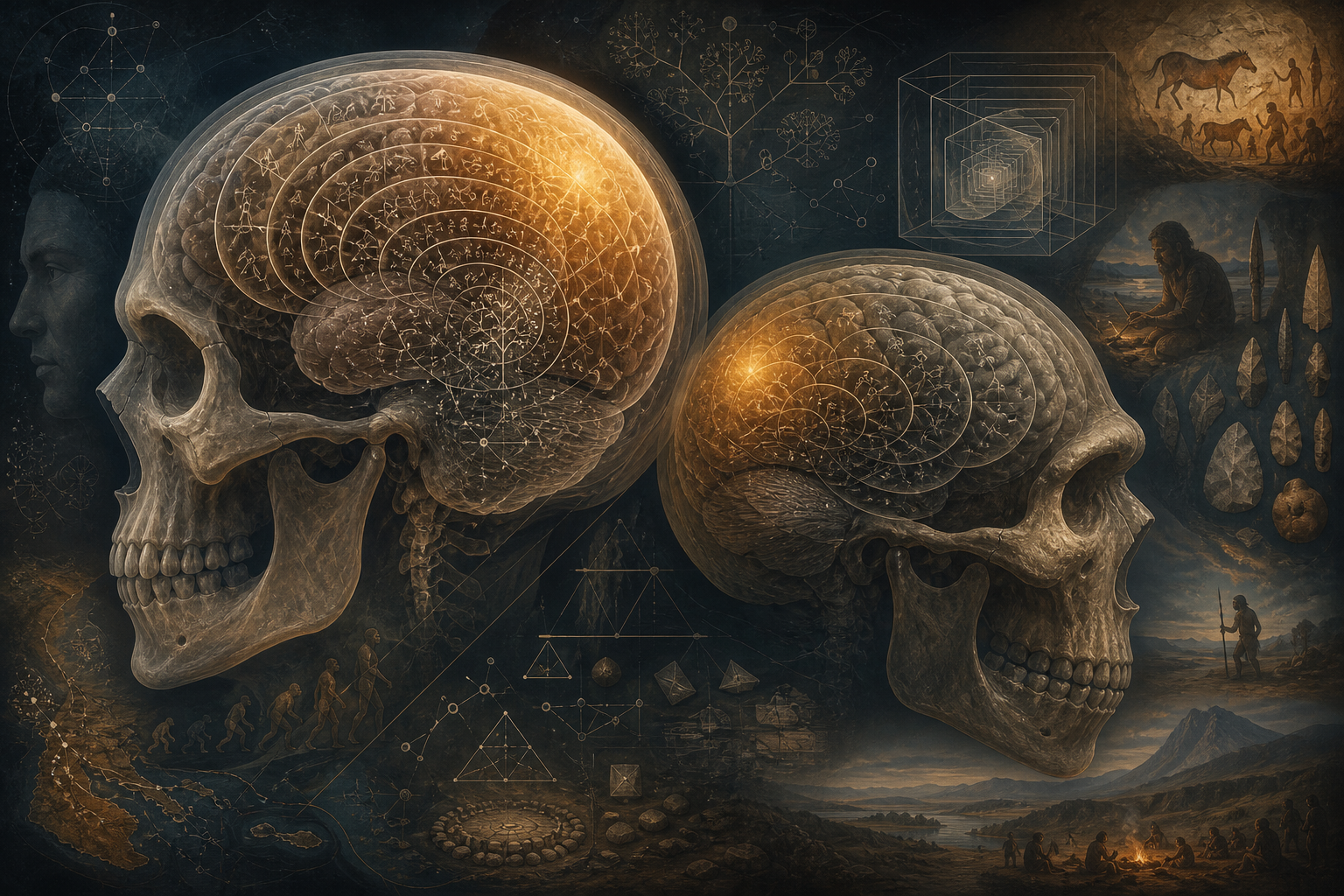
How did the human brain evolve the ability to nest ideas within ideas? Explore how parietal globularization may have created the mental workspace needed for recursive grammar and the rise of complex language.
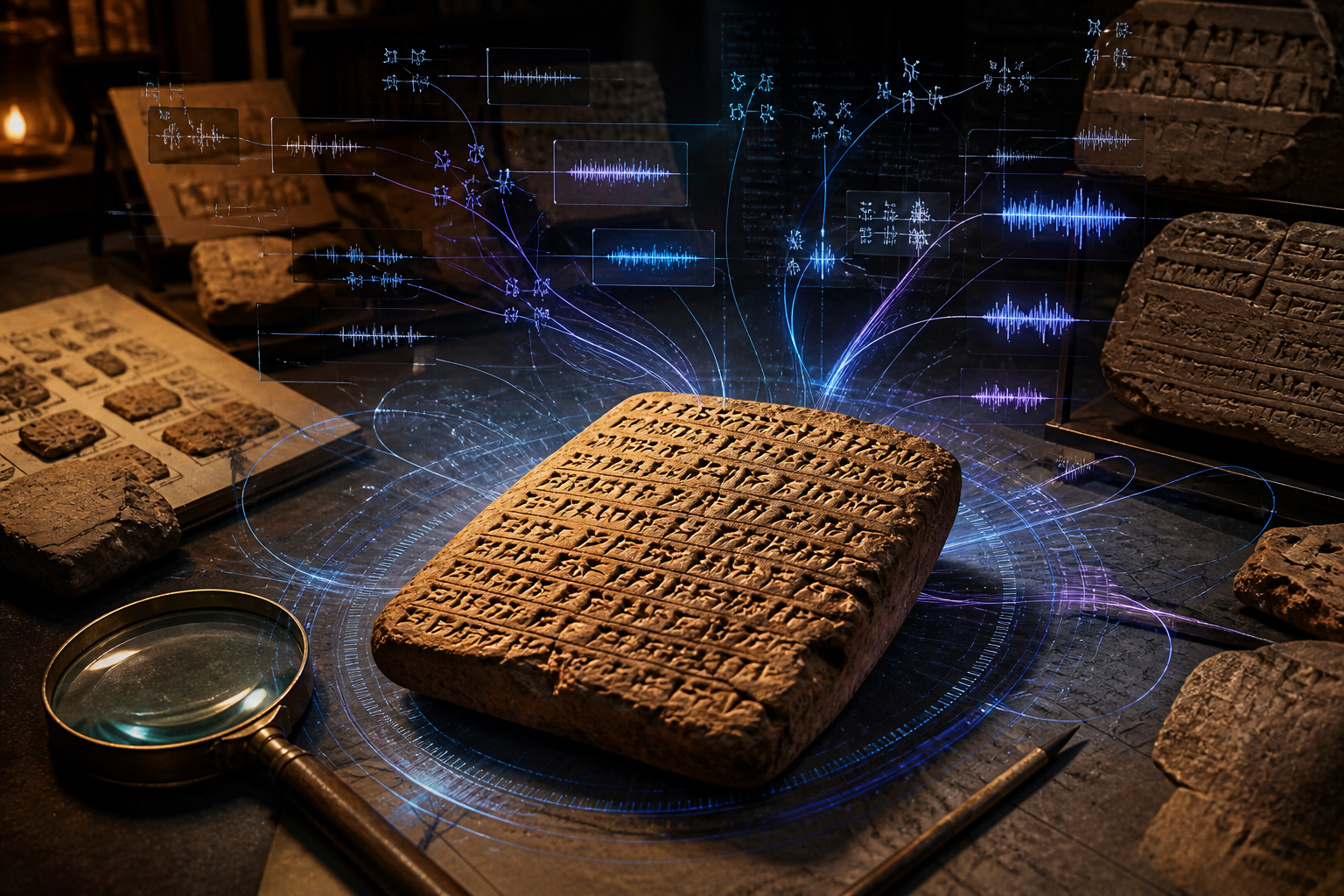
Generative AI is giving researchers a powerful new way to investigate extinct phonology reconstruction by comparing ancient inscriptions, related languages, and historical sound changes. Discover how these models help turn incomplete symbols into plausible glimpses of how vanished languages once sounded.
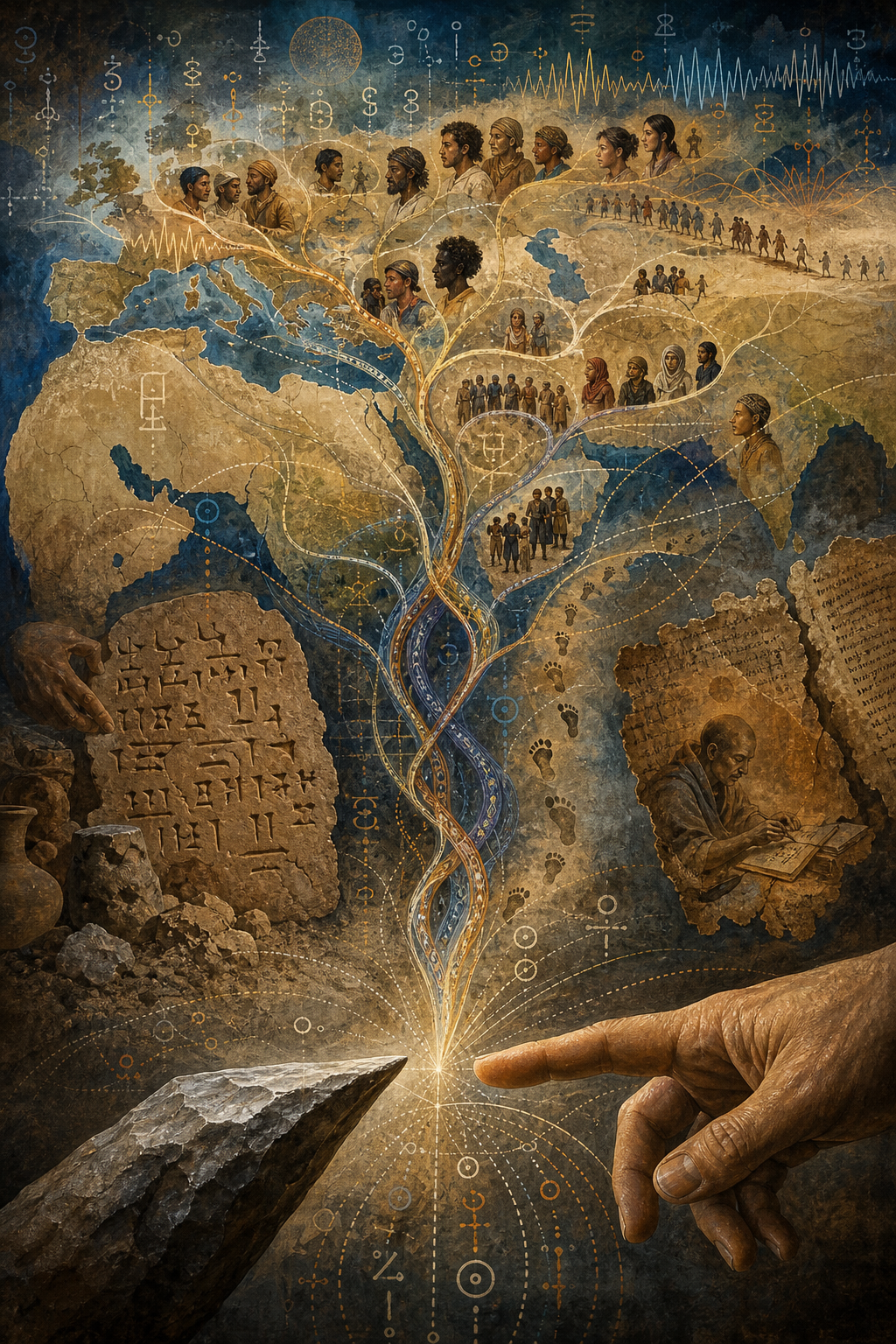
Explore Nostratic macro-family roots through the intriguing proposed root *tik*, tracing how ideas of points, fingers, touch, and marks may connect ancient language patterns with modern human dialects.